What the IAB’s 4 P’s of AI Visibility Reveal About the Future of Advertising Measurement and In-Flight Intelligence
Updated: Nov 2
Jim shares how Triangulum is evolving following his experience at the Jupiter Festival

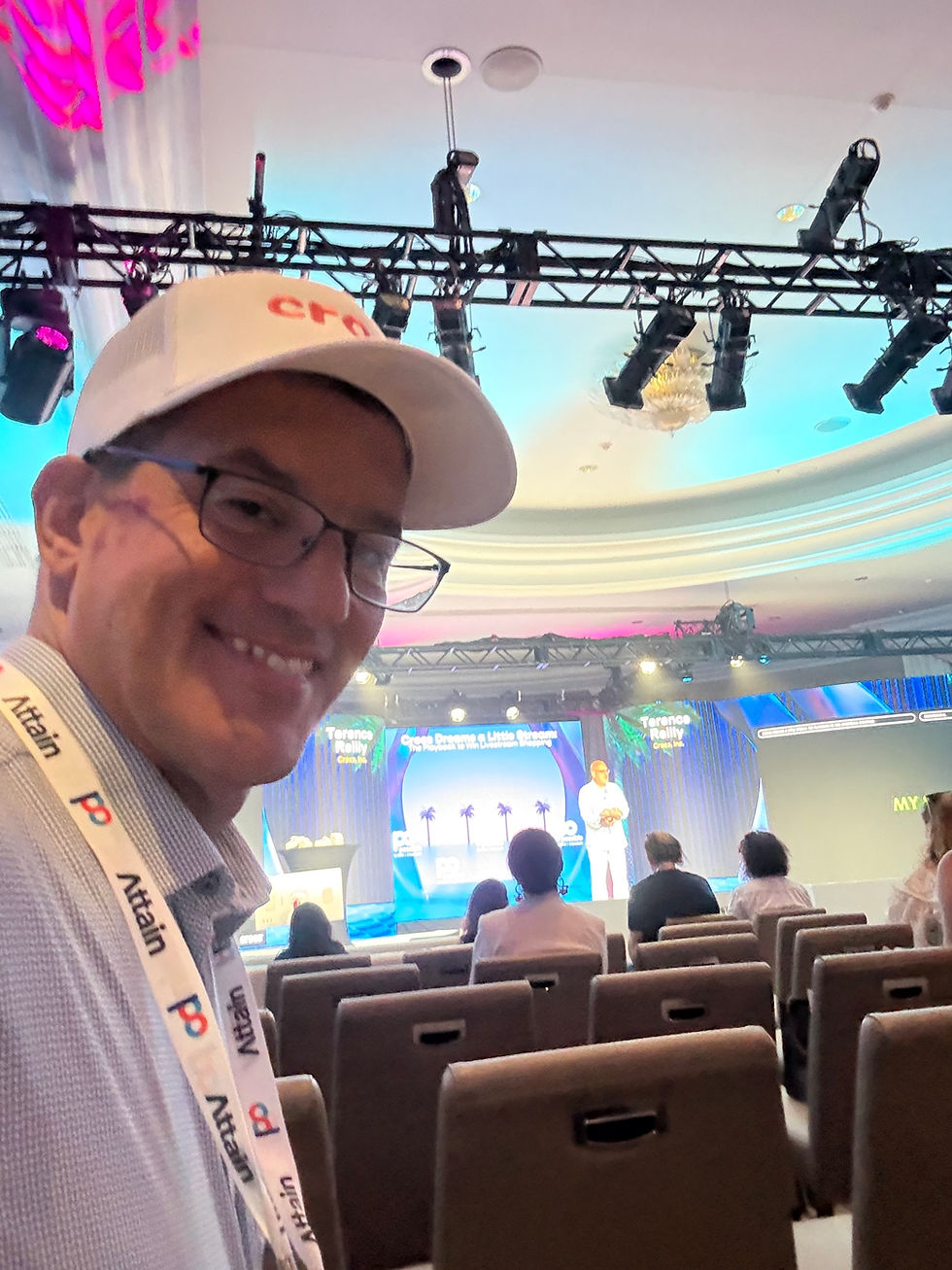
The Jupiter Festival in Miami Beach had some unfortunate scheduling by coinciding with Ad Week in New York, so you may have missed some of the press and content. I attended a panel about the IAB’s work on AI Visibility and the 4 P's of AI Visibility were discussed.
What are the 4 P's of AI Visibility:
Presence, Prominence, Portrayal, Persuasion.
The 4 P's were developed to understand how brands show up in AI-generated responses beyond simply visibility. The more I thought about it though, the more it felt like a familiar challenge.
Advertisers have always been trying to answer the same questions:
Are we showing up? Are people noticing? Is the ‘message’ or ‘image’ being processed by the consumer the way we intend? Are we influencing perceptions and behaviors?
I see this connection between the 4 P's of AI Visibility with this broader shift that is occurring across advertising measurement. In fact, I believe there is a seismic shift happening where reporting and interpreting impact or outcomes is insufficient.
We are moving to a world where we need to supplement impact on KPIs with a more in-depth interpretation based on the wealth of data signals that we have available.
This is exactly why we developed Triangulum's In-Flight Intelligence.

While Triangulum has always been leveraging as much data available as possible, the reality is that we have more data signals available than ever. So we organized all the advanced analyses we’ve done over the years and introduced new ones into a cohesive framework to take full advantage of all your brand lift data – not just the 10-20% that most brand lift measurement systems use today.
Here are some examples of how the In-Flight Intelligence Suite analyses leverage data signals and previously unused survey data to interpret results and drive better campaign decisions.
PropensiTI Segment - this new analysis that we’ve been rolling out with some beta clients leverages all the data in your survey (including competitor awareness, considerations and opinions, category level questions, and custom questions) to understand what custom audiences could be built to drive stronger response. Beyond standard demographics or psychographic segments, or even audiences the client is already targeting – this analysis reveals new or refined audiences that are engaging strongly with your campaign and experiencing strong lifts. These new audiences can then be targeted for stronger lifts throughout your campaign.
Exposure Cadence - Frequency analyses have been a staple of brand lift studies since the beginning – but most analysts are still looking at frequency the same way it has been done for 20+ years. We know that frequency interacts with other media plan and consumer experience realities – such as timing of the exposure and decay. Because of this, I’d argue that frequency data is the most underused data signal in brand lift studies. We recently introduced Exposure Cadence that goes beyond reporting the impact of frequency. Exposure Cadence provides clear direction into how often an impression should be served per week to consumers to maximize brand lift, this in turn directly informs frequency caps, to create plans that drive higher lift, with greater reach in a highly efficient way.
Key Driver Analysis - As you’ve often seen in your brand lift measurement, consideration and purchase intent are often some of the hardest KPIs to move. Many non-advertising factors impact increases in consideration which depress the short and/or long-term impact that advertising may have on consideration. This is where the Key Driver Analysis comes in. Together with lower consideration lifts, you typically see at least one or two brand attributes with stronger lifts. Key Driver Analysis tells the brand whether those attributes with strong lifts are likely to drive consideration over time – or should the campaign re-focus on impacting different brand attributes that have a higher likelihood of driving consideration.
In conclusion, the IAB’s 4 P's are valuable because they organize all these signals into a framework for decision making. While the 4 P's were developed with AI visibility in mind, the questions are universal.
The future of ad measurement is to help marketers act on the wealth of data that is collected that in most brand lift studies today are ignored or tossed.
Contact us if you’d like to know how you can fully leverage the data signals you are already collecting in your brand lift study.